What you say to yourself matters.

Most of us have a voice in our head. You know the one, it chatters incessantly and seems to have an opinion on just about everything you do.

What you should do, what you shouldn’t, what you look like, how you compare, the list goes on, and it’s very hard to turn off.

Given you probably listen to that voice more than any other, it really does matter what it says.

WHAT’S YOUR SELF-TALK?

Think about the way you talk to yourself. Are you kind? Are you harsh? Would you talk to a friend that way?

If you’re anything like me, you’re probably pretty hard on yourself and it’s unlikely you would talk to someone else that way.

Now I am not a psychologist, just a curious person, and I can’t help you analyse how this self-talk became the default. I am sure you have experiences in the past you can put it down to.

I do believe, however, that we can all change and grow and learn to be kinder to ourselves.

change the way you talk to yourself

For me, I first had to notice it happening. It was so unconscious. I sometimes found myself berating myself over a mistake I had made or being critical of something I had said. I began to purposely ‘listen’ to that voice in my head and really take note of what it was saying.

Writing it down in a journal can help. Even notes on your phone. You will see patterns and triggers and it can really help you get some clarity.

Once you are clear on your negative self-talk it’s much easier to catch yourself when it happens.

The brain simply believes what you tell it most. And what you tell it about you, it will create. It has no choice.                  

Shad Helmstetter

be kind to yourself

If you feel you could be kinder to yourself, why not take some time to notice your self-talk. Imagine what you would say to a friend, speak with kindness, give yourself the grace to make a mistake.

Focus on what you are saying to yourself. Focus on being kind.

Over time, that voice in your head should sound like a friend. It will take time and conscious awareness but I know from experience; small changes can really make a difference to your quality of life.

Imagine having a friend in your mind, someone to encourage and understand, someone to give you the confidence to you achieve your goals. 

Start small, focus on improving your self-talk and bit by bit let your inner voice become a place of encouragement rather than criticism.

Let your inner voice become a place you feel supported, not judged, that’s where real change will begin.


So you want to be fearless?

Written by Pam

 I hear the term ‘fearless’ and I wonder. What does being ‘fearless’ look like?

Is it climbing mountains or jumping off buildings?

To me fearless as something to aspire to, is so much more than that.

F-E-A-R has two meanings: ‘Forget Everything And Run’ or ‘Face Everything And Rise.’ The choice is yours.                 

Zig Ziglar

First, let’s acknowledge that fear is important, it keeps us safe from danger. Without fear humans would probably not have survived as a species. So, I am not suggesting that we would be better off without fear. What I am suggesting is we acknowledge we are afraid and fear-less.


What is it to be fearless?

Well, to me, it’s not necessarily bungee jumping or extreme sport.

When I think of fearless, I think of people who have taken on something that they were afraid of, whether that be a new business, a relationship or yes even a mountain climb. People that pushed through fear of something unknown and did it anyway.

How does fear hold you back?

Sometimes we don’t even recognise fear is holding us back. We are just busy being and not really looking at what is driving our decision process.

Fear of missing out

This is at an all time high, which has a lot to do with how connected we all are on social media. It is too easy to compare your everyday life to someone’s insta account and think that you are missing out on something. The reality is probably not what it looks like.

The problem arises when we make decisions based on what we think we are missing out on. Going places and doing things because everyone else is and not connecting with what we really resonate with.


Fear of failure

We miss opportunities when we are so afraid of failure that we won’t take a risk on something new. When we let that little voice inside talk us out of something that really got us excited. And, unless you are living a life you have always wanted, this is a risk in itself.

Your comfort zone has got you to where you are now. So, unless you want to stay there you may have to take a risk and do something new. And while, no one really likes to fail, if we never fail, we miss out on the opportunity for growth that failure brings.

 Fear of what other people think

We all need connection with others, it’s part of being human. We all want great relationships with people who think well of us. But sometimes we can let the perceived opinion of other’s decide what we should or shouldn’t do. And studies have shown that we are over-estimating how harshly others judge us. 

One of the best ways to get over this fear is to be considerate of others and do what makes you happy. If you think that someone does judge you, you will know your intentions were good.


It is not uncommon for people to spend their whole life waiting to start living.

Eckhart Tolle

Fear-less

We all feel fear, it’s a natural part of life, the trick is to not let fear rule our life.

I know that sounds simple but like most of the great ideas, it really is. It just means acknowledging your fear and doing it anyway. Making that call to the cute guy you met, asking your boss for a pay rise all the time knowing you might not get the answer you want. And yes, I know, that is going to take something but while I said it was simple I never said it would be easy!

And really it doesn’t have to be something big, start with something small. Say Hi to a stranger if you struggle with confidence around people or if public speaking makes you fearful start by presenting to a mirror.

Try to not dwell on what could go wrong, try to change the fear into excitement for what could be possible.

Becoming fearless is a process, it takes time. Don’t rush, take it bit by bit, build that fearless ‘muscle’. Who knows what possibilities await outside your comfort zone?


Related Articles

How to increase self-confidence.

  Self-confidence is an essential quality that can help us feel more capable and successful in our personal and professional lives. However, many people struggle with low self-confidence, which can hold them back from achieving their goals and reaching their full...

read more

What is your why?

Written by Pam

What is your why? Have you every wondered why you are here? Why you are, right now, doing what you do?

For many of us, myself included, our present circumstances were created by choices made in our youth.

Influenced by school, family, society. We started down a path and just kept going!

The act of living takes so much of our day that we rarely have the time to really connect with our ‘why’.

This doesn’t mean we are unhappy, or dislike our life, but how much better would it be if you were living a purposeful life.

“Regardless of WHAT we do in our lives, our WHY—our driving purpose, cause or belief—never changes.”                 

Simon Sinek

Is it important to connect with your why?


Everyone is an individual a unique being, and what makes one person happy is not necessarily going to make you happy.

Finding your why is really connecting to your deepest values, those things that really make you feel alive.

Those things in your life that are of the most importance which most of us will find are rarely materialistic.


Simon Sinek on the impact of your why.

HOW TO FIND YOUR WHY

Simon states in the video finding his why helped him feel calm and increased his confidence. Sounds great. But how do you discover your why?

As mentioned it is easy to get busy with life and lose sight of what is important to you. To find your why and create a sense of purpose will take some time. It’s a new way of thinking and like anything it takes time to master new skills.

Look at the people around you. Who do you gravitate toward? Who makes you happier and why? Listen to what people around you say about you. How have your actions positively impacted others?

Ask yourself questions. Why do you do the things you do? Are you really organised? Do you love helping people? Are you a great communicator? This will help you build up picture of what really makes you feel alive.

Writing in a daily journal can be really helpful. It helps to clarify thoughts and after a while common themes reveal themselves. 

I found a helpful article here that has 19 journal prompting questions to help you connect with your purpose. 

LIVING WITH PURPOSE

Once you have connected with what’s important to you. You start making more choices that align with your true self.

You just feel happier.

John Templeton Foundation’s study on the Psychology of Purpose found  that living with purpose has psychological, physical and academic benefits.

People living with purpose are less likely to suffer depression or anxiety and according to the study “are also more likely to report high levels of life satisfaction”.


People living with purpose think about their situation differently. It doesn’t mean they have huge financial wealth or are engaged in a job that gives them purpose.

It also doesn’t have to mean changing a job or totally reorganising how you live.

The Templeton study states “Studies of purpose and meaning at work suggest that how people approach their work may be more important than the actual tasks they perform”

So it’s about how you approach what you do and where you are in life. If you look at the contribution you make to other’s regardless of the monetary or status you hold, your sense of purpose is increased.

Sometimes we do things not because we really enjoy them but because it aligns with our why and gives us a sense of purpose. For example you may not always enjoy getting up early to take your children to sports training however creating a loving and supportive family life for your children aligns with your purpose. So you’re happy to do it.

LIVE YOUR BEST LIFE

If living with purpose creates a better quality of life, including better mental and physical health. It may be the best thing you can ever do for yourself.

And not only will it make you feel better it will also positively affect those around you. Imagine waking up every day knowing you are living your purpose, imagine how much joy you will create in the world.

If we all positively impacted one person everyday imagine the ripple effect.

Finding your why and living with purpose is going to take something to create. It’s going to mean really looking deep inside yourself to truly find your purpose. But it will also result in a deep sense of happiness and belonging. And who wouldn’t want that?

“Don’t ask yourself what the world needs; ask yourself what makes you come alive, then go do that. Because what the world needs is people who have come alive.” 

Howard Thurmon

Related Articles

How to increase self-confidence.

  Self-confidence is an essential quality that can help us feel more capable and successful in our personal and professional lives. However, many people struggle with low self-confidence, which can hold them back from achieving their goals and reaching their full...

read more

7 Characteristics of Great Leadership

Written by Pam

What makes a great leader?

Why is it that some people inspire others?

We all have people in our lives that seem to be able to create an environment of cooperation and success.

People that we love to follow no matter where they might lead.

Then there are those that we just don’t feel so comfortable with,  that just do not inspire us to do anything!

Management is doing things right. Leadership is doing the right things                 

Peter Drucker

WHAT IS LEADERSHIP?

So, what exactly is leadership? Firstly, it shouldn’t be confused with management. Management is positional and usually gained by appointment. Leadership is not positional and comes from the character of a person rather than a credential or a title.

Great leaders may have a management role, but leadership shows up long before any kind of appointment.

beacauseSo, what makes a great leader?

Leaders:

  1. First lead themselves
  2. Are Forever learning
  3. Show integrity
  4. Initiate – choose action over reaction
  5. Value people
  6. Develop and Empower Others
  7. Inspire followers

What does it mean to lead yourself first?

It means to do what is expected and to be the first to do what needs to be done because it is what needs to be done. Not because someone said to do it, or because someone else took the action first.

Leading yourself means never expecting others to do something you would not do yourself.

Leaders are forever learning…

A true leader knows that whatever knowledge they have there is always more to know, and reading is a great way to expand knowledge.

Some of the most successful people take time out of their busy schedule to read. Bill Gates is reported to read 50 books a year and Tony Robbins  attributes his learning through reading to overcoming his difficult childhood.

A great mentor can also be invaluable. Someone who has been where you are and is now where you want to be and is willing to share their experience with you.

Initiate

You only have control of how you react, not what others do. A great leader chooses to act in a situation and not let the situation or person affect their action. Staying calm in a crisis, coming up with outside the box solutions and having the courage to take risks are all ways in which leaders initiate action.

Integrity

When you think of a great leader, who do you think of? Nelson Mandela perhaps or Oprah  or someone else? One thing that is certain, whoever they are, they will have integrity.

Integrity is defined as ‘adherence to moral and ethical principles; soundness of moral character; honesty.’ It’s doing the right thing even when no one is watching. Taking the focus off yourself and placing it on others for the greater good.

Great leaders put others first and in doing so create an environment of trust.

Value people

We all want to feel appreciated and in today’s busy world sometimes this can be hard to find. By taking the time to give someone honest appreciation and really noticing the value they bring a true leader brings out the best in those around them.

By letting people know that that their contribution is valued and taking their concerns into account, great leaders inspire others to follow.


A life is not important except for its impact on other lives.

Jackie Robinson

Inspire others

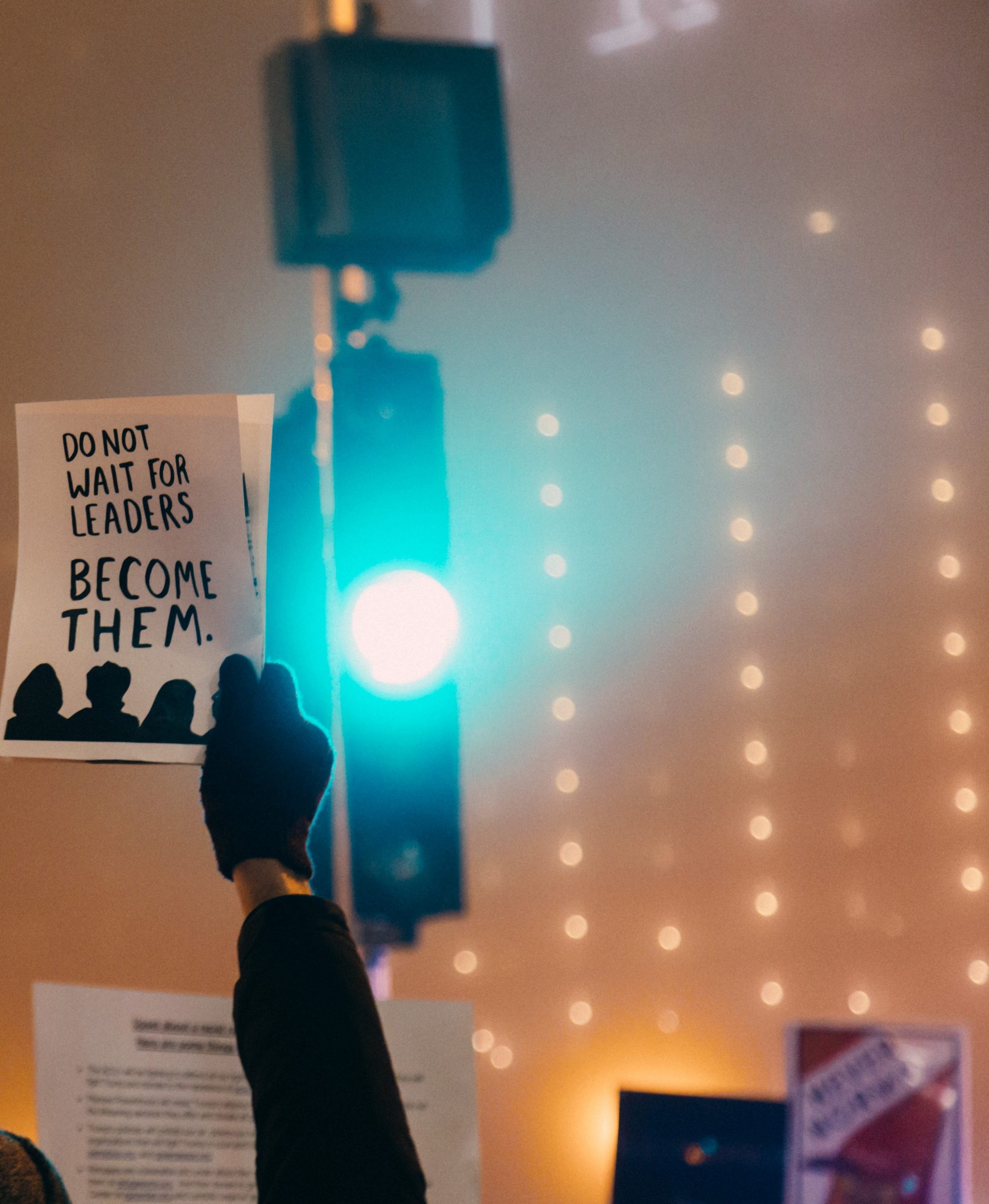
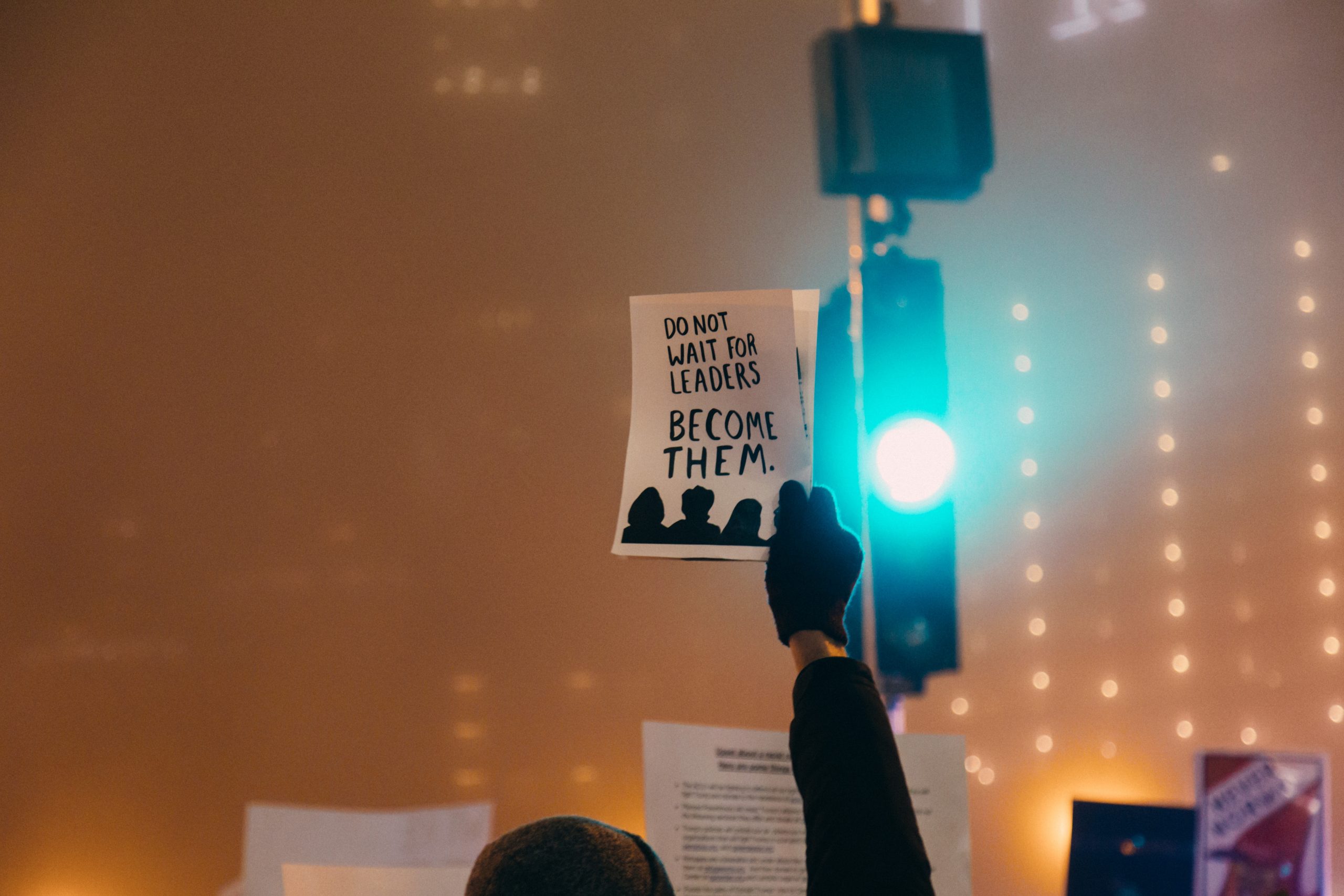
To be a great leader is to inspire others to do something they wouldn’t have done on their own.

By building relationships with others and having them see your leadership attributes you can create a following. A community of like-minded people who share your goals and see your commitment to reaching them.


Related Articles

How to increase self-confidence.

  Self-confidence is an essential quality that can help us feel more capable and successful in our personal and professional lives. However, many people struggle with low self-confidence, which can hold them back from achieving their goals and reaching their full...

read more